Caitlin Clark and Angel Reese have spent years being presented as opposites.
Clark is the long-range shooter and gifted passer who can change a game before the defense realizes what happened. Reese is the physical rebounder and emotional force who makes her presence felt on nearly every possession.
Clark’s game can feel effortless. Reese’s game makes sure everyone sees the effort.
Their fans often reflect those differences. Some are captivated by Clark’s deep 3-pointers, vision and ability to turn an ordinary possession into a highlight. Others connect with Reese’s confidence, toughness and refusal to make herself smaller for anyone.
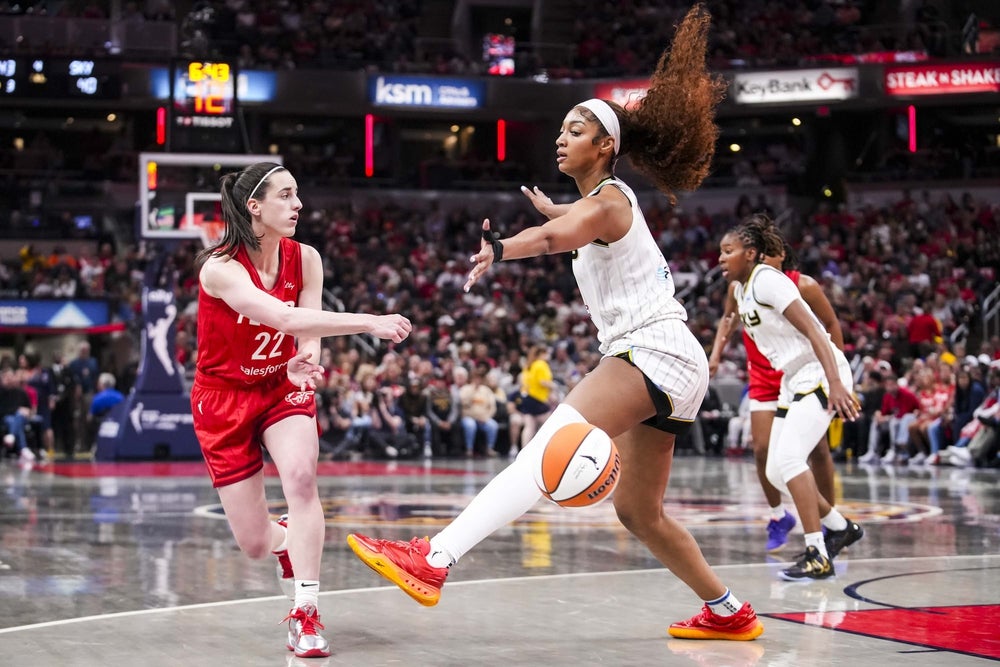
The discussion surrounding them can become exhausting, particularly when every game, gesture or social media post is treated like evidence in an argument that must produce one winner.
But Clark and Reese are more interesting when they are viewed together.
They have given women’s basketball two distinctly different kinds of superstar.
Their shared story began on the biggest possible stage. LSU defeated Iowa 102-85 in the 2023 national championship game, with Reese earning the tournament’s Most Outstanding Player award. Clark scored 30 points for Iowa, but Reese and the Tigers finished the afternoon as national champions.
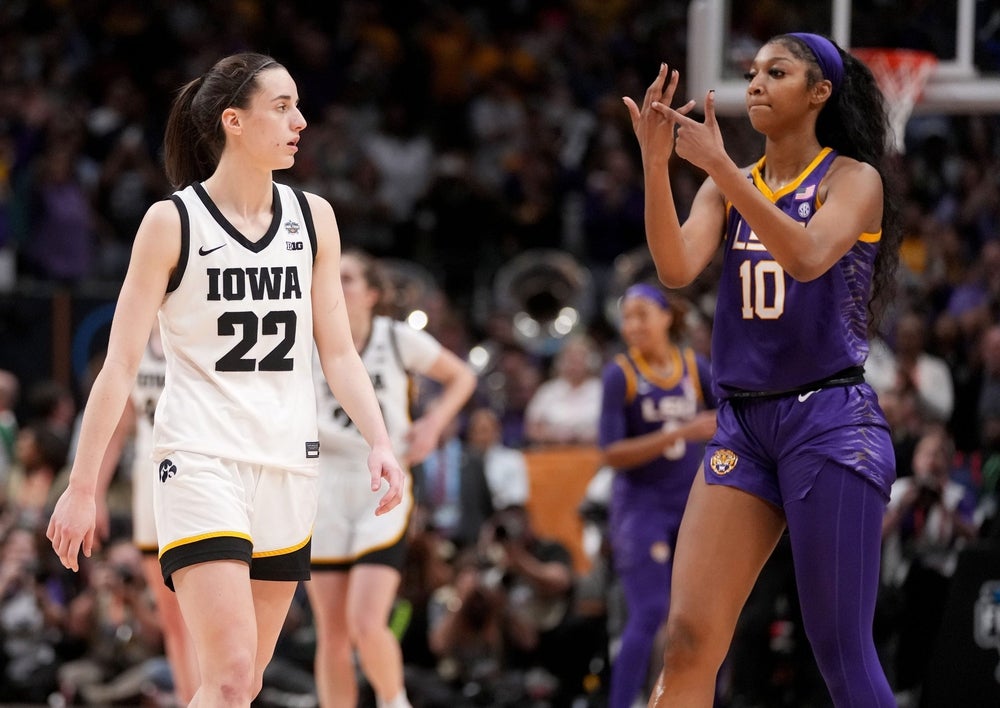
The ending, including Reese’s memorable celebration in front of Clark, generated nearly as much conversation as the result. Suddenly, millions of people who might not have followed women’s college basketball closely had selected a favorite player, team or side.
The rematch arrived one year later in the 2024 Elite Eight. Clark delivered 41 points and 12 assists as Iowa eliminated LSU, while Reese finished with 17 points and 20 rebounds.
An average of 12.3 million people watched, with the audience peaking at 16.1 million. At the time, it was the most-watched women’s college basketball game on record and ESPN’s largest college basketball audience ever.
That was not simply because viewers wanted to see Iowa play LSU.
They wanted Clark and Reese.
The appeal came from the contrast. Clark stretched the boundaries of what seemed possible from the perimeter. Reese controlled space around the basket, attacked the glass and competed with visible emotion. One could silence an arena with a shot from near the logo. The other could ignite one by fighting through three defenders for a rebound.
They entered the WNBA together in 2024, with Clark selected first overall and Reese going seventh. The uniforms and opponents changed, but the comparisons continued.
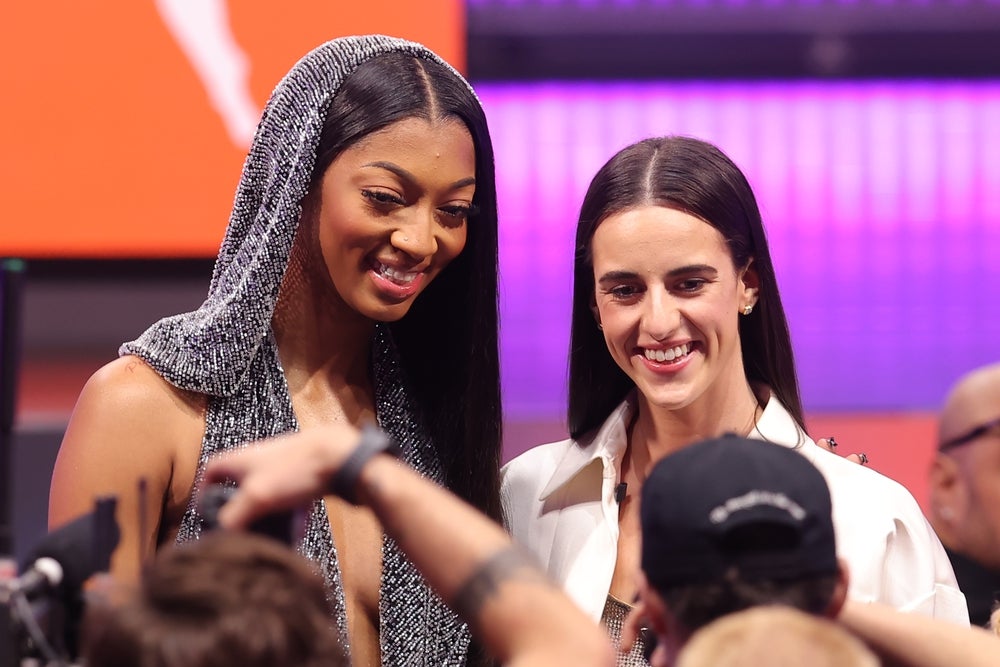
Nearly every accomplishment became part of the larger debate. Every physical play was replayed. Every meeting was promoted as another chapter in a rivalry neither player needed to manufacture.
The attention has occasionally distracted from what makes each player exceptional.
Clark represents imagination. Her fans watch because she might attempt a pass or shot that most players would not consider. There is anticipation whenever she approaches midcourt because the normal dimensions of the floor no longer seem to apply.
Reese represents persistence. Her fans watch because she keeps attacking possessions that appear to be finished. Missed shots become second chances. Loose balls become opportunities. Her confidence is not separate from her game; it is part of the engine driving it.
Those differences remain evident in 2026. Clark is averaging 20.7 points and 7.8 assists for the Indiana Fever, while Reese is producing 15.4 points and 11.5 rebounds for the Atlanta Dream. They remain productive in dramatically different ways.
Fans do not have to choose between appreciating one style and respecting the other.
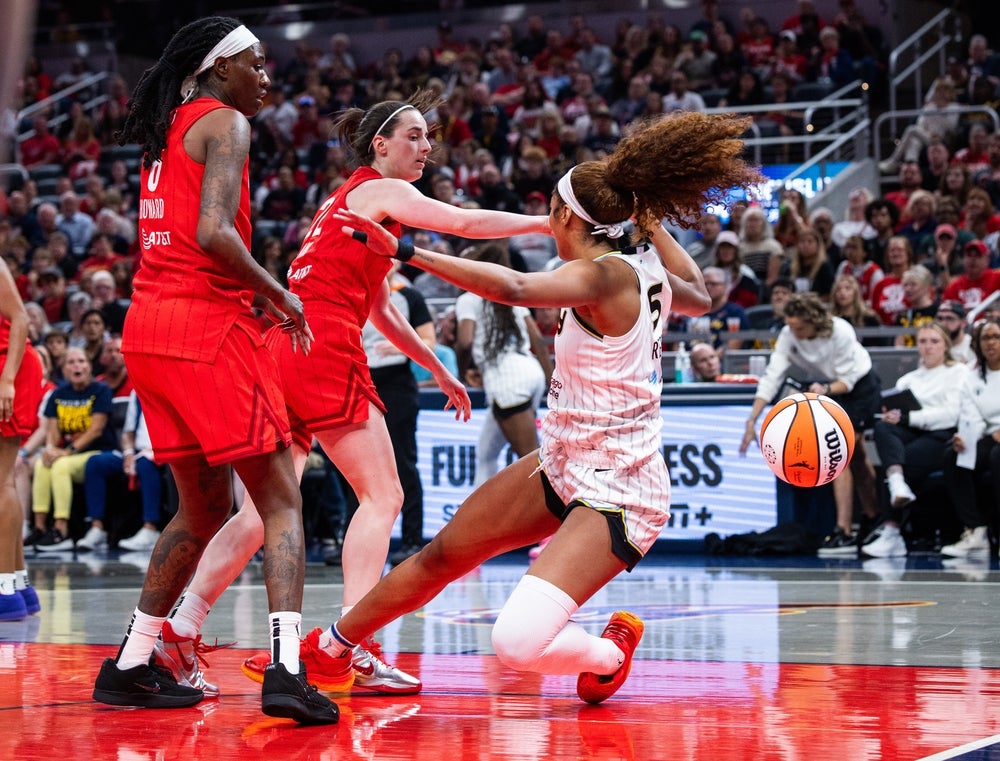
Sports have always grown through contrasts. Magic Johnson had Larry Bird. Serena Williams had Maria Sharapova. Peyton Manning had Tom Brady. The comparisons encouraged fans to pay closer attention, debate more passionately and appreciate the qualities that made each athlete different.
Clark and Reese can serve a similar purpose without every interaction being treated as personal hostility.
They are connected by history, competition and timing. Both arrived as women’s basketball was reaching a much larger audience, and both offered new fans an immediate reason to become emotionally invested.
Clark brought the spectacular.
Reese brought the defiant.
Together, they helped make women’s basketball feel impossible to ignore.
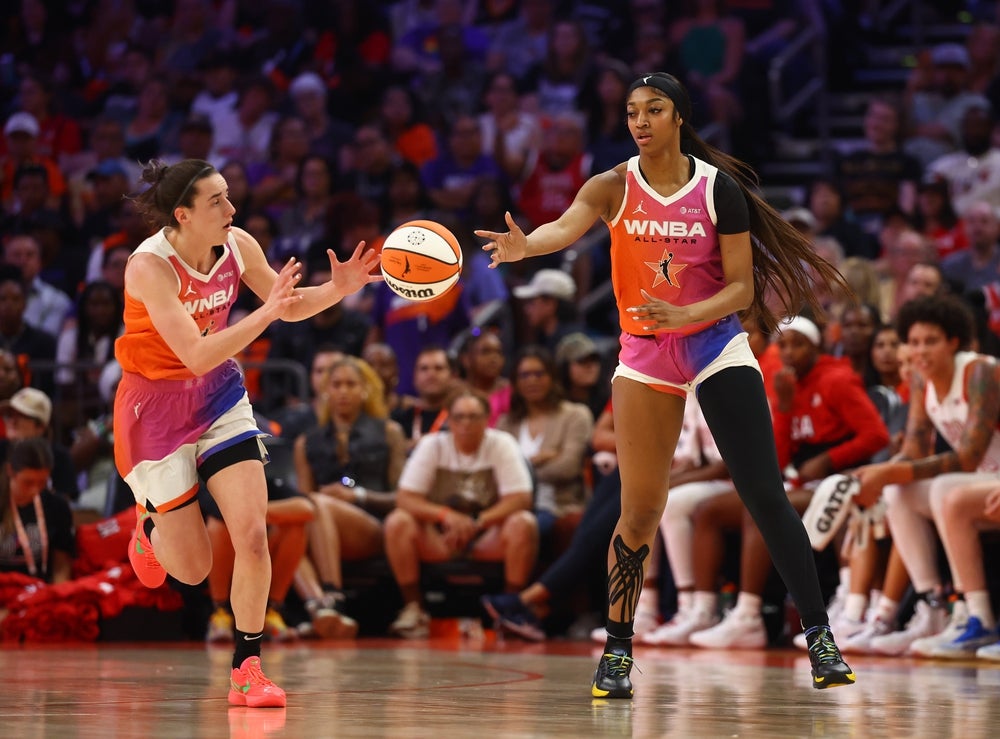
Their greatest contribution may not be settling which player is better or which fan base is louder. It may be demonstrating that a growing sport does not need one universally accepted face.
It can have multiple stars, different personalities and opposite styles.
It can have room for both.